Clarkia rubicunda (Godetia, Farewell-to-Spring)
Posted: July 9th, 2013, 11:54 am
| Botanical Name | Clarkia rubicunda |
| Family | Onagraceae |
| Genus | Clarkia |
| Specie | rubicunda |
| Local Name in Urdu | |
| Common Name | Godetia-Clarkia |
| Life Cycle | Annuals |
| Cultivar Name | |
| Fragrant or Not | no |
| Category(Bush/Vine/Tree) | flowering plant |
| Height | 12-18 in. |
| Spacing | 9-12 in. |
| Flowering Months | end of spring-start of summer |
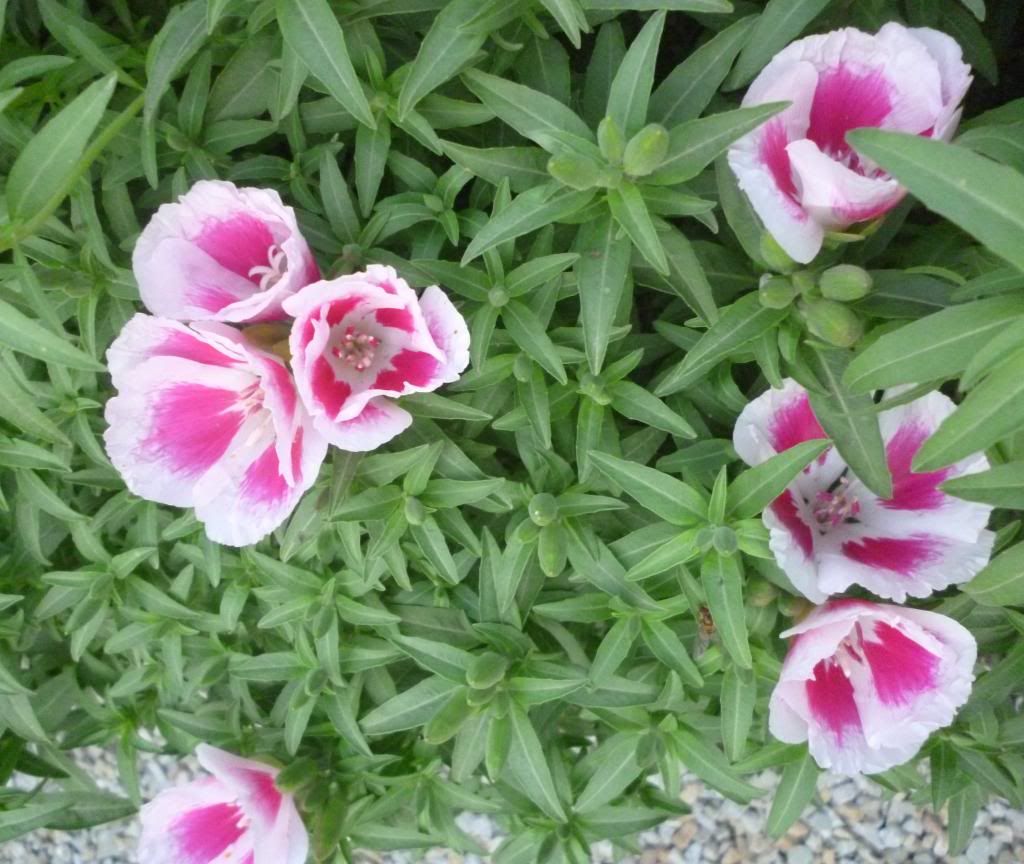
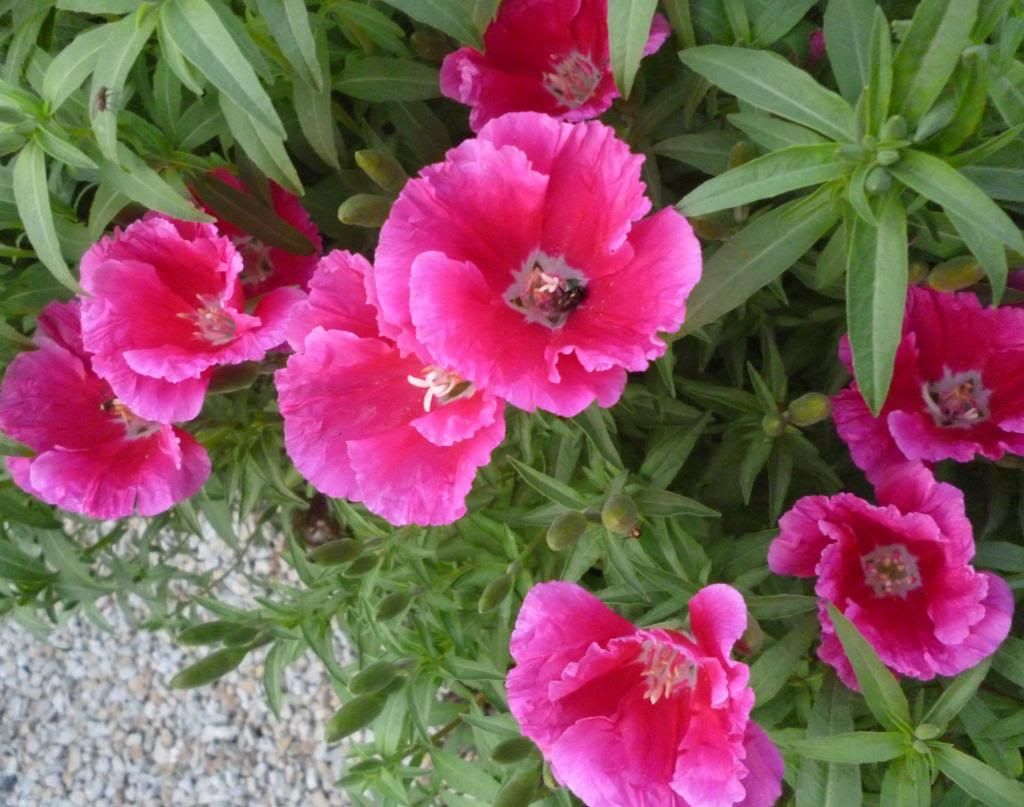
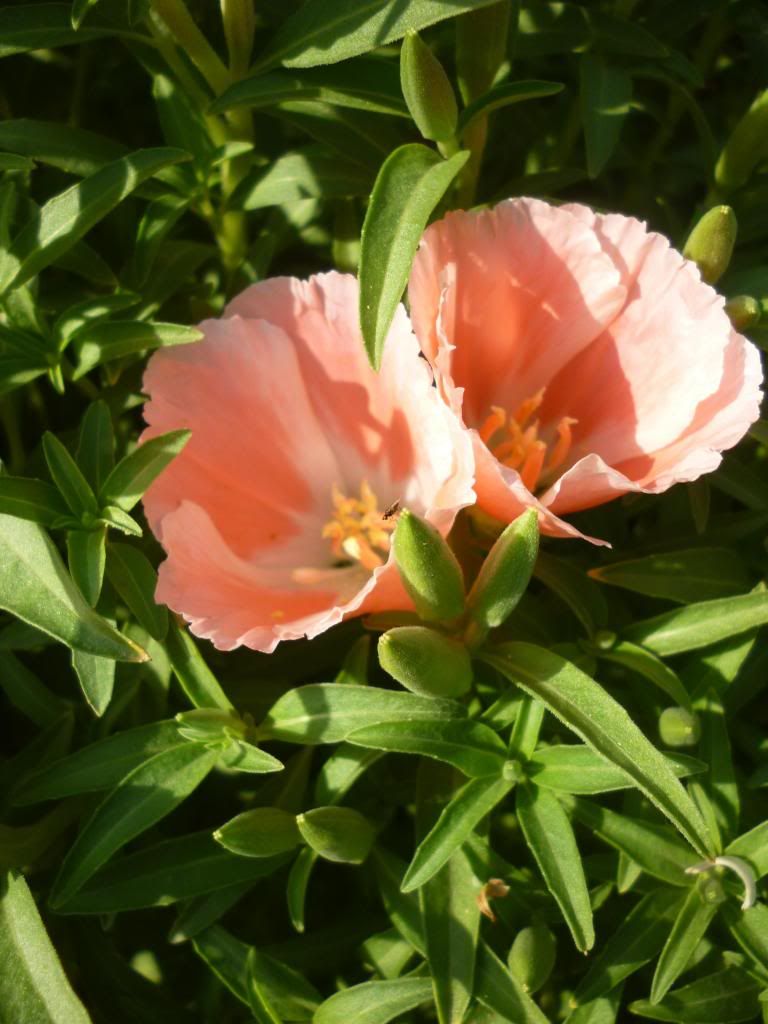
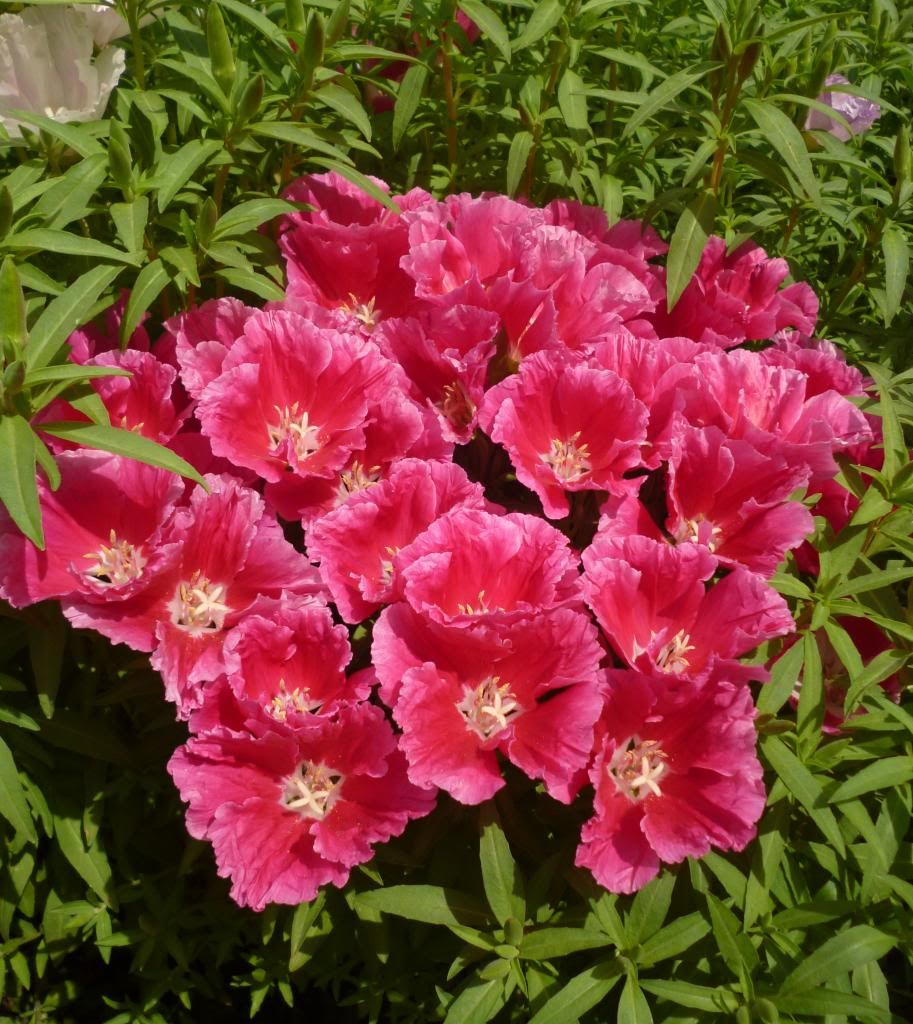
| Flower Color | Pale Pink Pink Rose/Mauve Magenta (Pink-Purple) Fuchsia (Red-Purple) Red |
| Growing Areas | all Pakistan |
| Frost Tender | yes |
| Exposure | Full Sun |
| Soil pH | tolerent |
| Propagation | by seed |
| Uses | ornamental plant |
| Other Details | This under-appreciated annual bears the most beautiful, satiny pink or white flowers for weeks in summer. It also goes by the charming name farewell-to-spring, perhaps because it blooms just as spring temperatures are rising. Plant it once and you won't want to go a growing season without it.Godetias produce cup-shaped blossoms in clusters at the tips of strong stems. Flowers are white, pink, red, or lilac with contrasting colors in most. There are also double varieties. Foliage is gray-green. Height ranges from 10 inches up to 21/2 feet, and they grow about 10 inches wide. Shorter varieties have a mounding habit. this plant does best in areas with cool summers and in moist, well-drained soil. It's a great cut flower, too. it dislikes transplanting. Don't fertilize. If it has too many nutrients, it will have lots of foliage and few flowers. |

courtesy farhan ahmad.